The Instant Powder Coating System Expert: Batch vs Conveyor Powder Coating Systems–Which Is Right for Your Business?

by Michael Schuerer
Learn the differences between batch and conveyor powder coating systems, including throughput, labor requirements, flexibility, floor space, and ROI considerations.
When buyers begin evaluating powder coating equipment, one of the most important early decisions is whether they need a batch system or a conveyorized system. This choice impacts everything from personnel requirements to floor space and layout, process control steps, and acquisition budget. It also helps determine if the equipment will support the operation five years from now, and not just the first few months after installation.
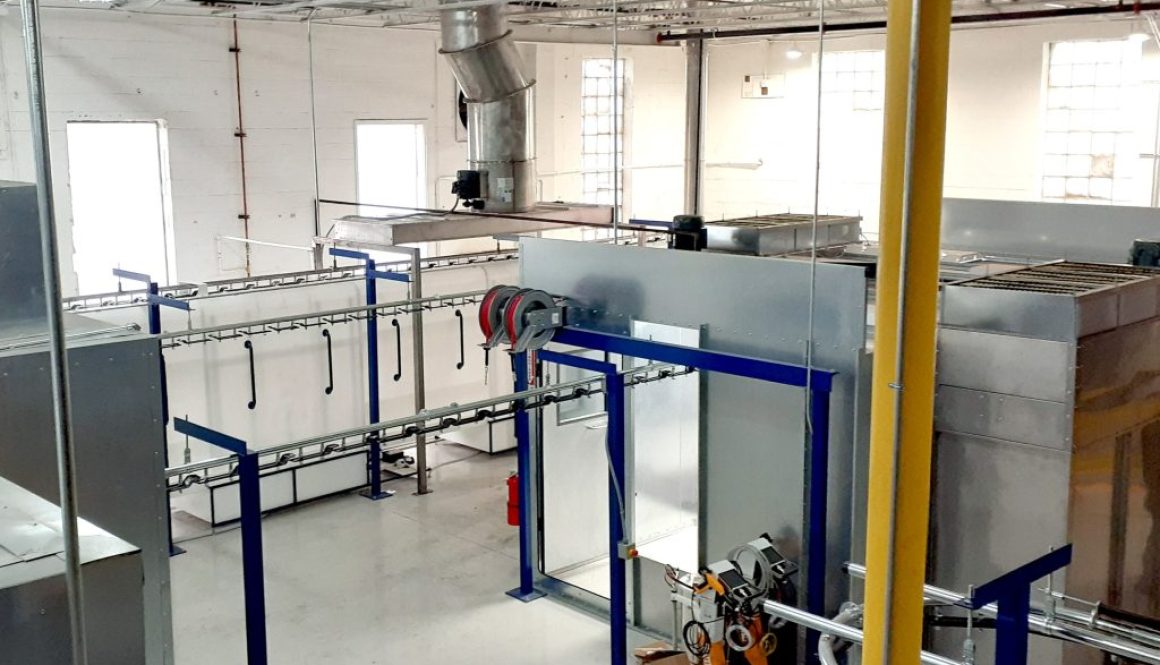
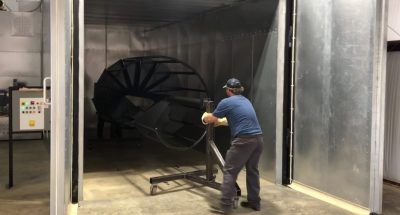
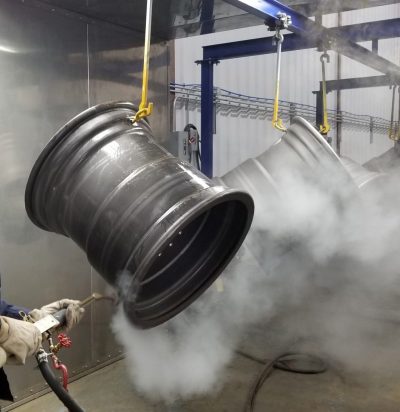
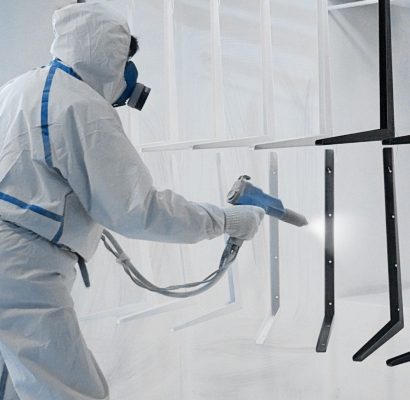
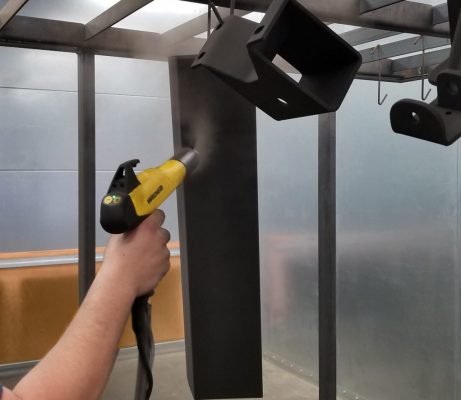
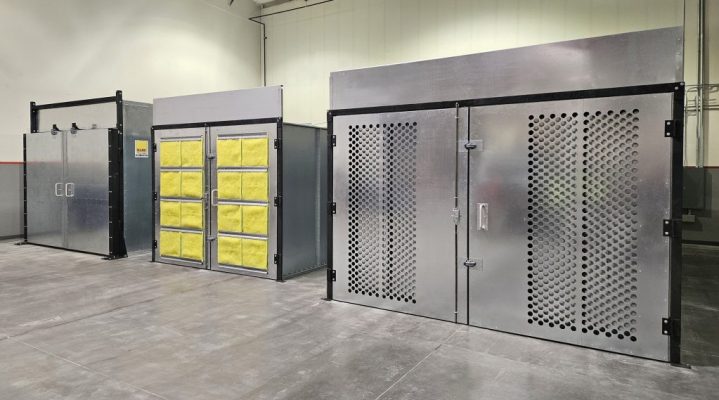
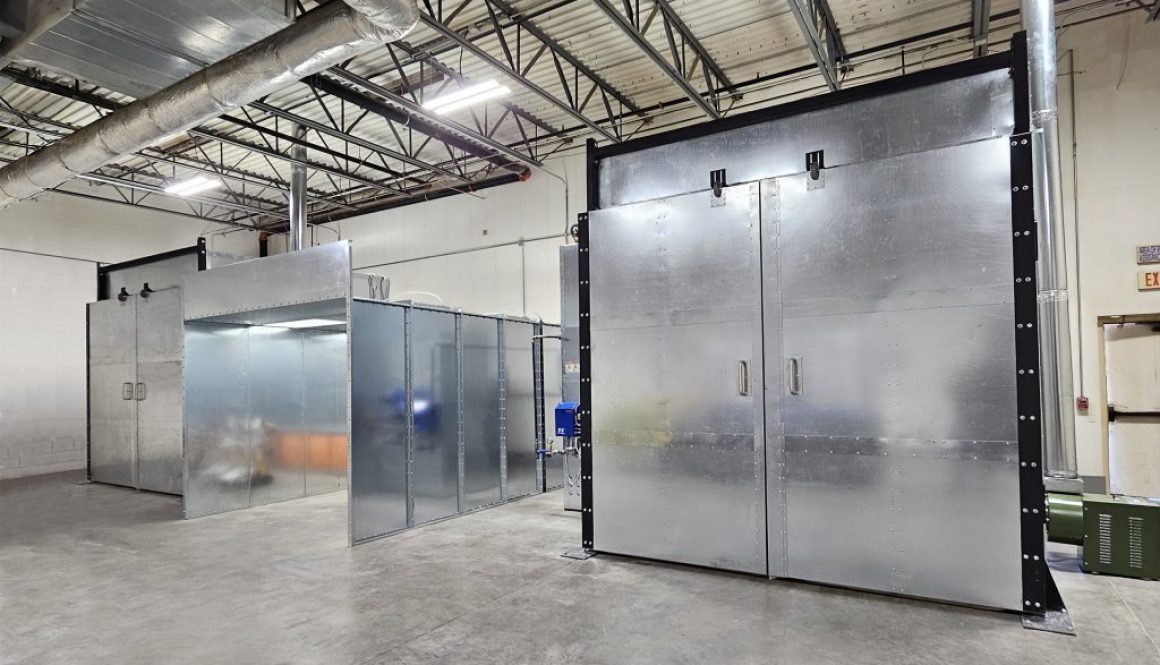
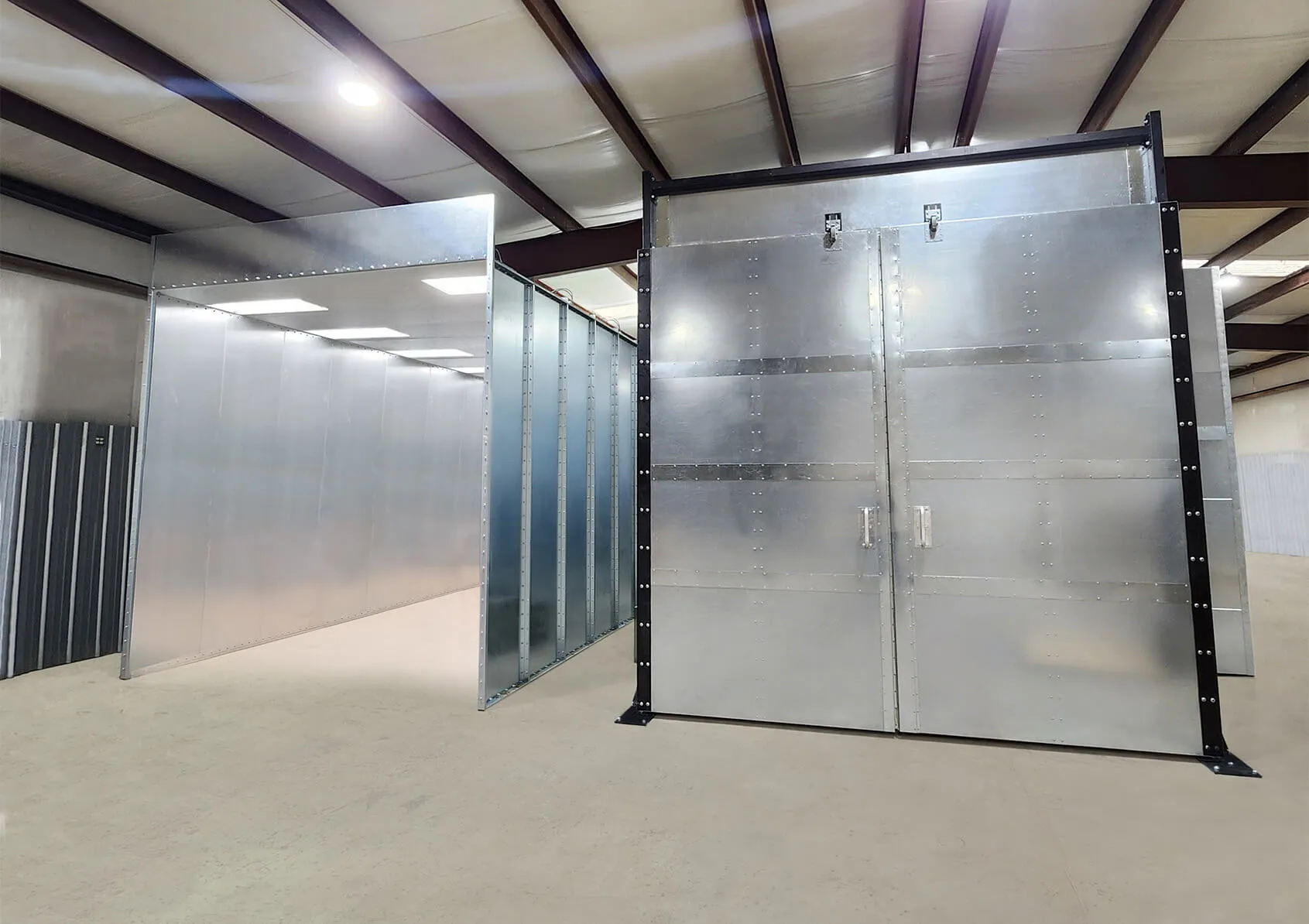
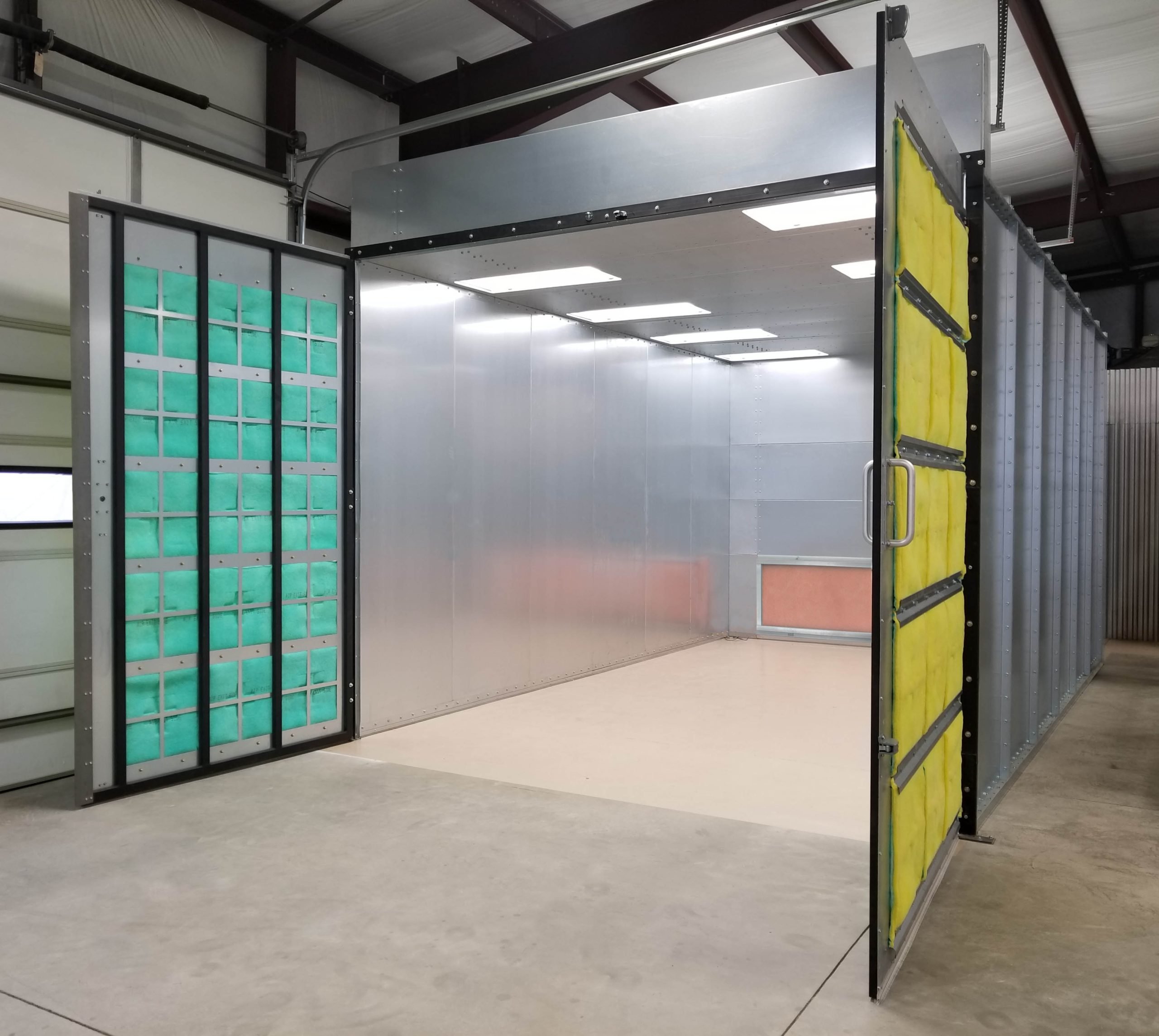
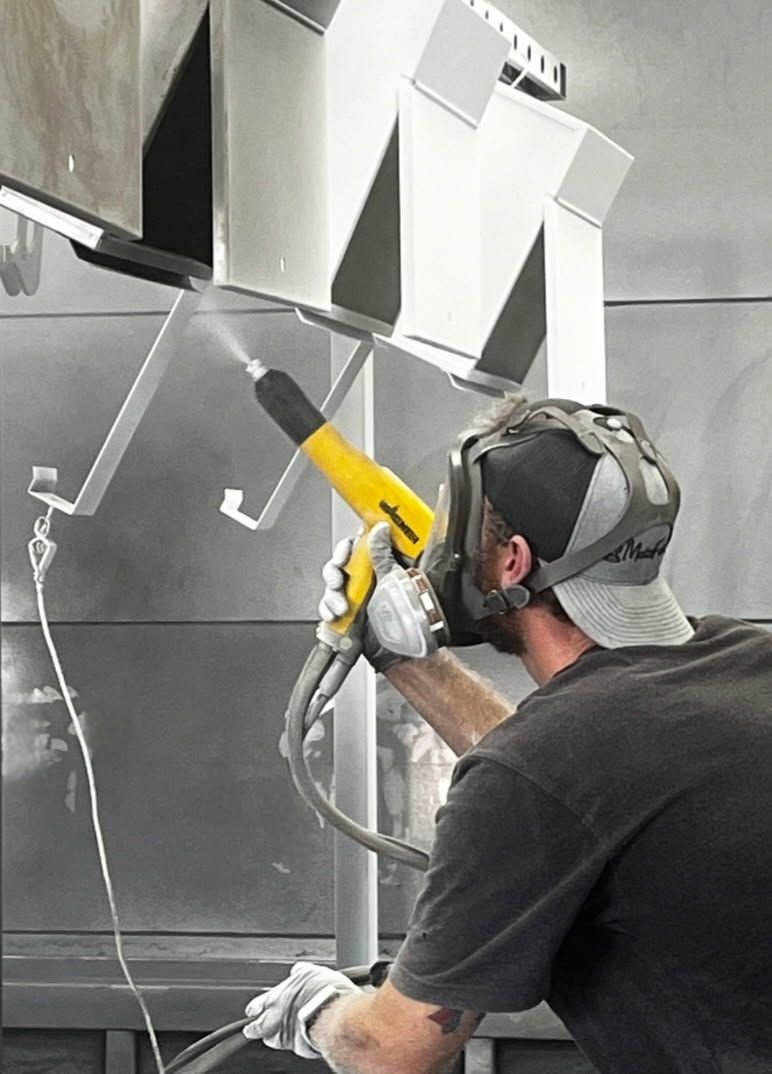
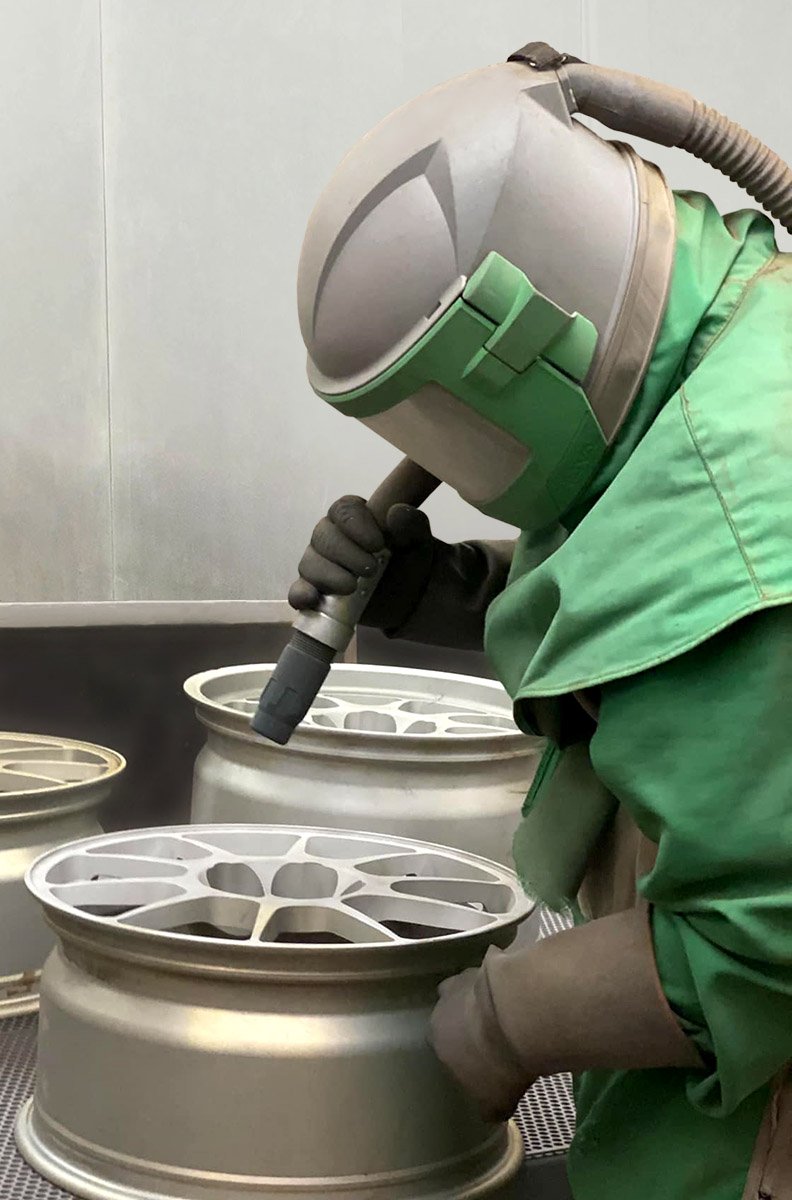
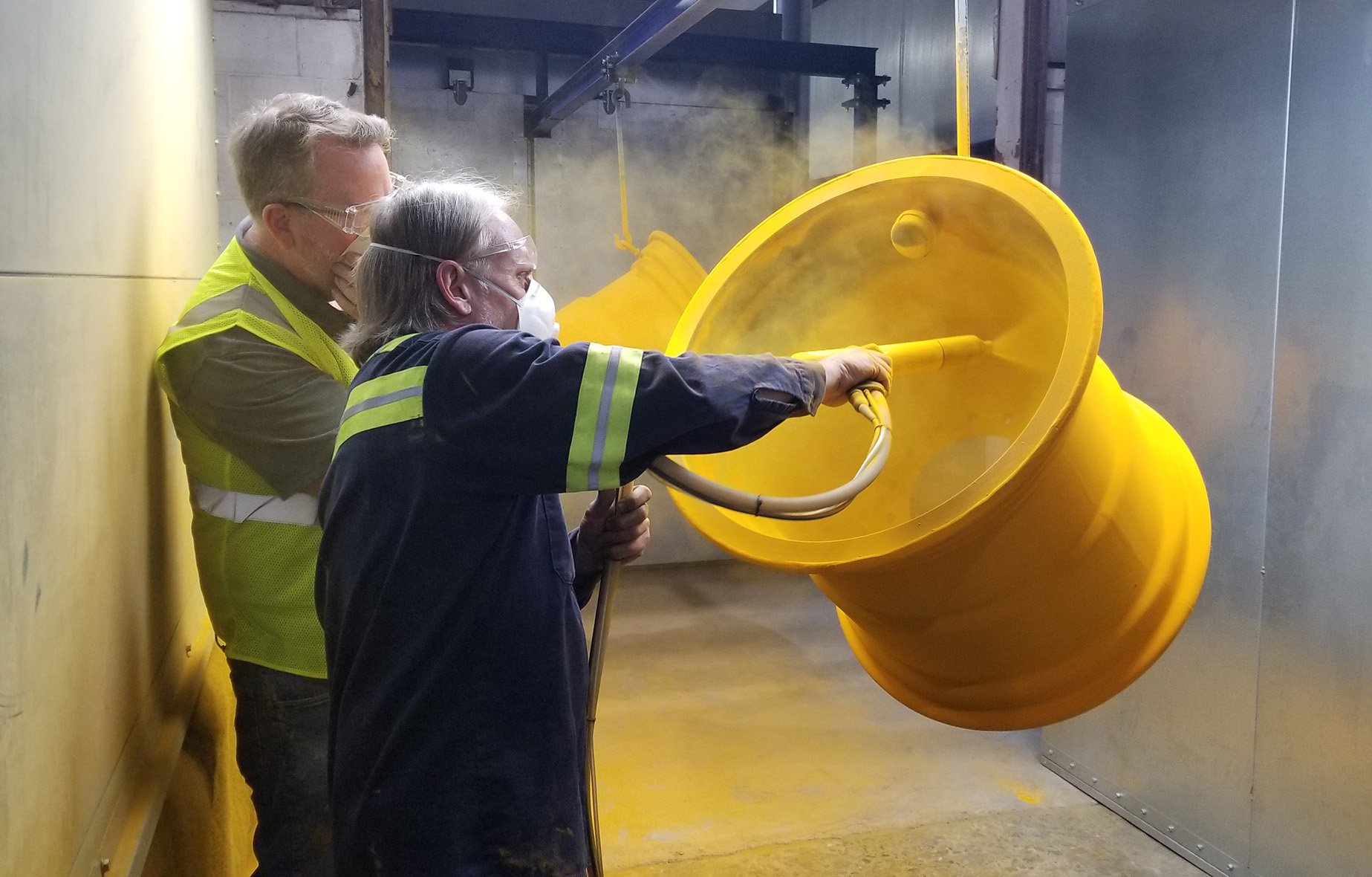
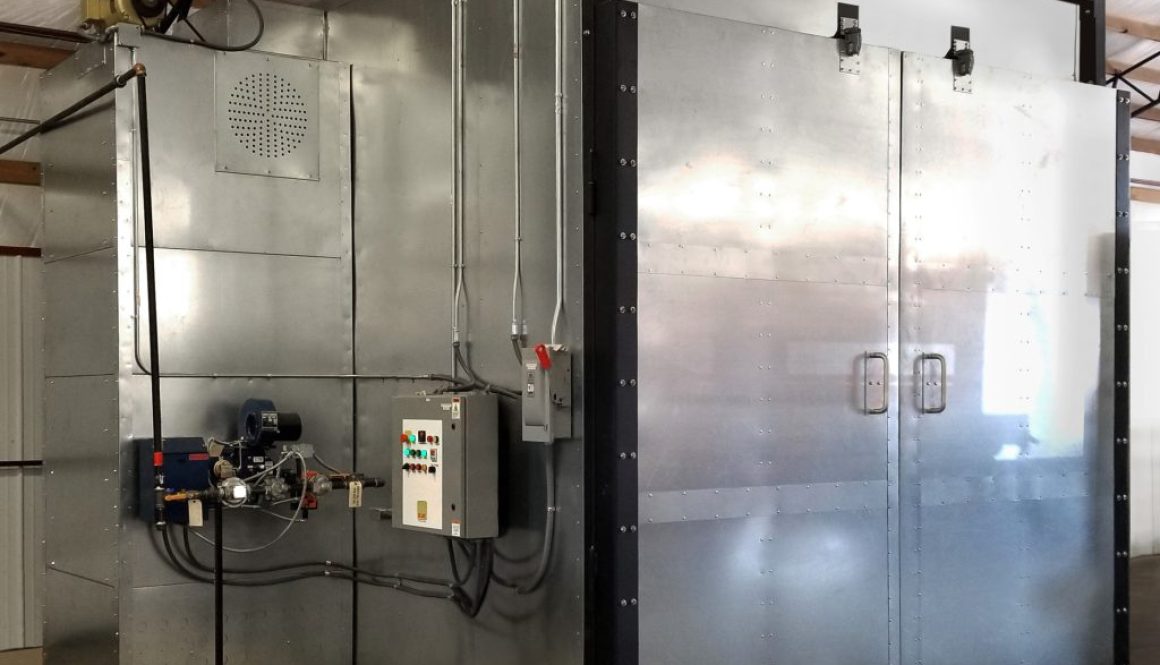
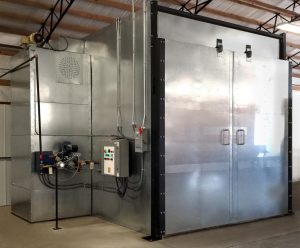
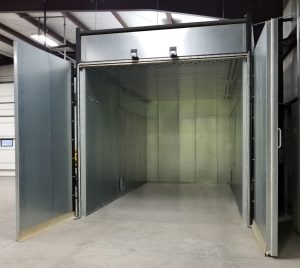
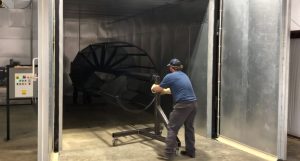
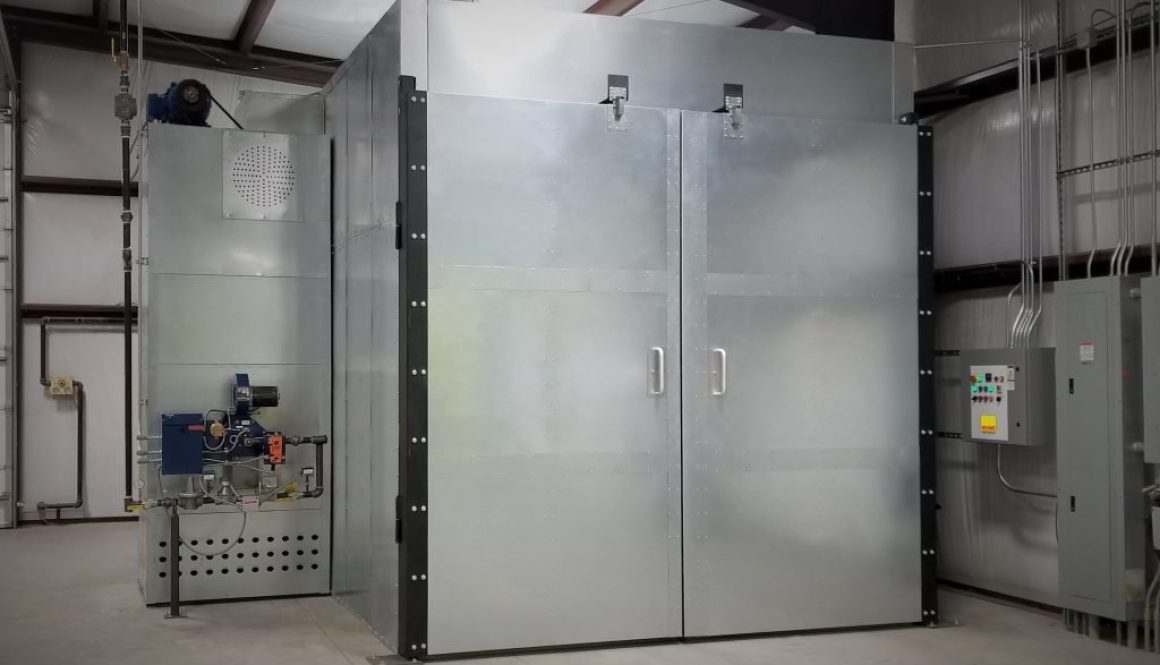
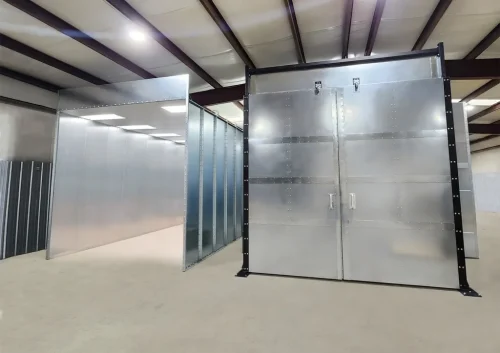
A batch powder coating system is typically the right starting point for companies with low to moderate production volumes, varied part sizes, extremely large parts or assemblies, and a need for flexibility. In a batch setup, parts are usually loaded into a pretreatment area and prepped, moved to an oven and dried, coated in a spray booth, and then processed in a curing oven before being allowed to cool down for unloading. The flow is not continuous, and operators move material from stage to stage as needed. Some stages of the process may be dormant for an extended period, while others stay busy almost constantly.

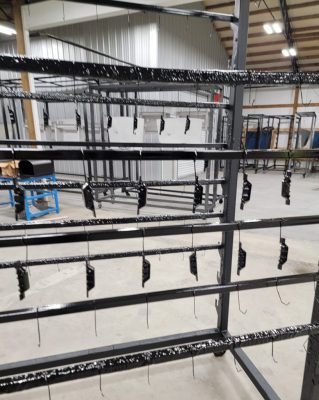
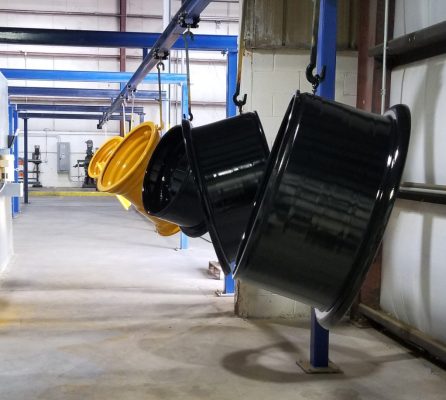
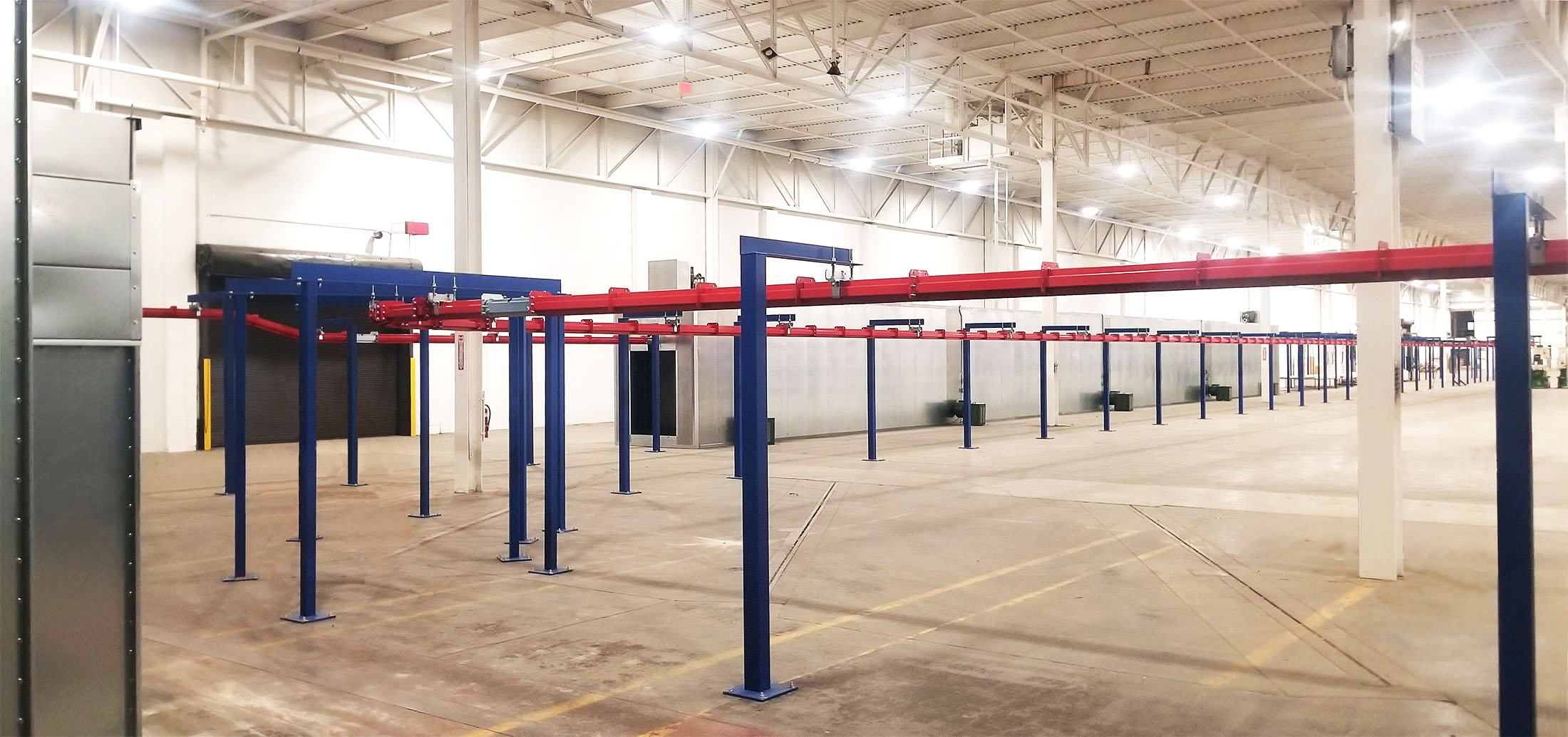
In comparison, a conveyorized “constant process” powder coating system is designed for a continuous flow of parts. Parts move through pretreatment, drying, coating, curing, and cooling on an overhead or floor-mounted conveyor. This setup is usually best for companies with higher production volumes, more standardized parts, and a strong need for repeatability and labor efficiency.

The biggest factor in the decision is often production volume, but volume alone does not tell the whole story. A custom job shop might process many different part sizes, colors, and lot quantities in a single week. That kind of variability often favors a batch system, even if the shop’s total annual output is substantial. On the other hand, a manufacturer producing the same or similar parts every day may quickly benefit from a conveyorized process, even if throughput goals are modest, because a more highly automated system can significantly reduce handling and labor costs.
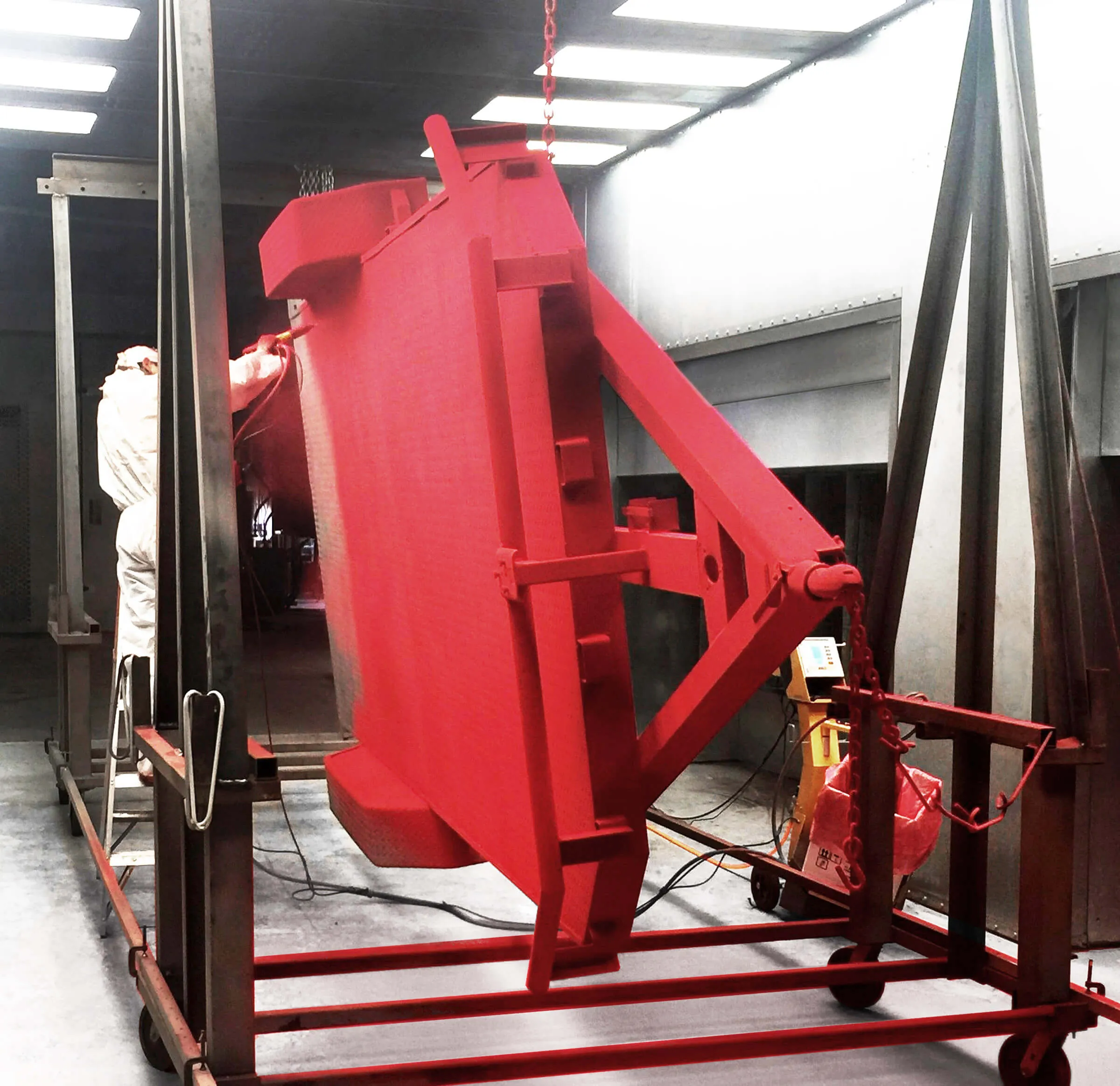
Another key factor is part mix. Batch systems are generally better suited to operations that coat large weldments, irregular parts, mixed loads, or products that do not lend themselves well to constant conveyor movement. Conveyor systems are more efficient when part geometry, weight, and spacing can be standardized. If parts are very diverse, the efficiency of a conveyor can be undermined by frequent changes to the parts hanging scheme, spacing inefficiencies, and line-balance issues.

Labor requirements should also be considered carefully. A well-designed batch operation can be very efficient, but it usually involves manual part movement and operator handling between process stages, driving up labor costs. Conveyorized systems can reduce manual handling significantly, which lowers the labor cost per part and often improves throughput. However, equipment buyers should avoid the assumption that “conveyor equals better” in every case. A conveyor system that is poorly matched to the product mix can create unnecessary complexity or lead to idle capacity.
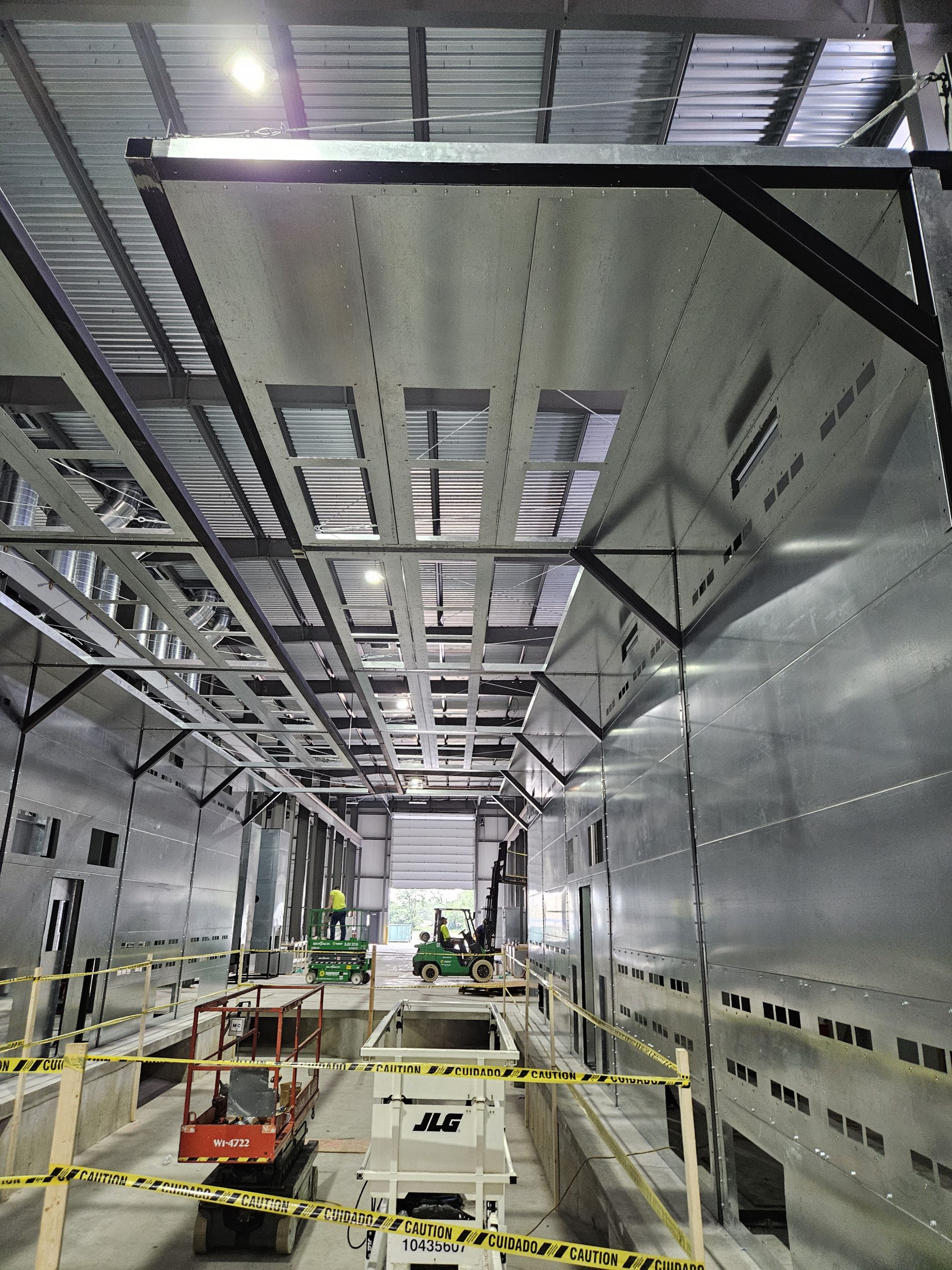
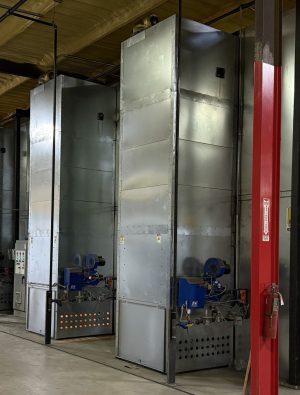
Floor space matters as well. Most buyers assume a batch system takes up less space. It usually does, but not always. A properly engineered conveyor line can use available building volume efficiently, especially overhead conveyor systems, by including elements such as multi-story ovens and elevated travel paths. Still, a batch system typically offers a simpler layout, uses less floor space, and can be easier to fit into an existing plant with structural or space limitations.

The capital cost of a conveyorized system is generally much higher than that of a batch system. That higher investment may be justified if the buyer is processing enough parts to gain meaningful savings in labor, handling, throughput, and consistency. The key is to evaluate total cost of ownership rather than just purchase price. A less expensive system that limits production or creates bottlenecks may cost more in the long run than a larger initial investment in the right equipment.
Another area buyers often overlook is future growth. A company’s managers may know that although their business is currently coating only a moderate number of parts, it’s likely that new contracts, new product lines, or future production booms will occur. If so, their new powder coating line should be planned with expansion in mind. In many cases, the right answer is a well-designed modular batch system with enough unused floor space around it for future growth. In other situations, the best answer is an oversized conveyor system that has been scaled to meet long-term demand rather than sized strictly to meet short-term goals. As a rule, batch systems are much easier and less costly to expand than conveyorized ones, and also much less expensive to relocate.

The best finishing equipment decisions come from asking practical questions:
- What parts are going to be coated? What are the largest and heaviest of these parts?
- How many parts must be coated in a shift or day?
- How many color changes are there in a shift or day?
- What labor budget is available to support the new finishing line?
- How important is flexibility versus automation?
- What are the company’s growth expectations over the next three to five years?
Buyers should also look beyond the equipment itself and consider the quality of process guidance and technical support they will receive. The difference between a successful project and a disappointing one often comes down to whether the system was engineered around specific production needs rather than sold as a generic package or “typical” powder coating system. It’s also critical that once the new powder coating line is in operation, the provider can support the buyer when there are hiccups by providing quick phone or on-site support, sound technical advice, and warranty or repair parts that ship immediately from in-house inventory.
In the end, neither batch nor conveyor systems are universally better. The right choice for your company depends on your throughput goals, part sizes & mix, labor strategy, building constraints, and long-term business goals. The most successful buyers are the ones who choose the process that best fits their operation’s needs, not the system that simply costs less or sounds more advanced.
- What training is included?
- What technical support, both off-and on-site, is available after the sale?
- How do you help customers improve efficiency and solve process problems?
- Can you provide relevant application references?

The best equipment relationships are partnerships, not just transactions. A strong finishing equipment partner helps the buyer make better decisions before the purchase, provides installation/start-up/training, and remains useful for years to come after the system is operating.
For manufacturers, fabricators, and coating job shops investing in powder coating equipment, the project doesn’t end when the system is delivered. In many ways, that’s when the real work begins. A reliable equipment partner helps reduce uncertainty, shorten ramp-up time, improve process stability, and support long-term success. That’s why buyers should evaluate supplier expertise and support with the same critical eye they apply to things like oven size and booth design.